
 EN
EN


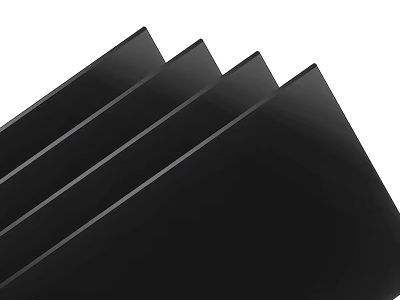
PS diffuser plates are essential components used in LED panel lighting systems, designed to enhance light distribution and improve overall performance. This article explores what PS diffuser plates are, how they work, and their significance in LED applications. By understanding the key specifications and installation considerations, as well as evaluating quality and cost factors, purchasing managers and project engineers can make informed decisions when selecting these products for their projects.
Key Specifications for Buyers
When evaluating PS diffuser plates, several key specifications are critical for ensuring compatibility and optimal performance in your LED panel applications.
Material: PS (Polystyrene) is a popular choice due to its excellent optical clarity and light diffusion properties. It is lightweight, easy to work with, and offers good impact resistance. Buyers should confirm that the PS material meets their specific requirements for light transmission and durability.
Thickness: The thickness of the diffuser plate typically ranges from 2mm to 5mm. Thicker plates may provide better durability and impact resistance, but they can also affect light diffusion and weight. Buyers should consider how thickness impacts both the installation requirements and the overall aesthetics of the lighting system.
Dimensions: Standard sizes are available, but custom dimensions can be manufactured to meet specific project requirements. Providing precise dimensions during the RFQ process is essential to avoid installation issues.
Light Diffusion Properties: Buyers should look for specifications related to light transmission percentage and diffusion angle, as these factors impact the quality of light output. A higher diffusion angle can result in softer lighting, reducing harsh shadows.
Certifications: While the company background does not specify certifications, it is advisable for buyers to confirm compliance with relevant safety and performance standards, especially for installations in public or commercial spaces.
How PS Diffuser Plates Enhance LED Panel Performance in Applications?
PS diffuser plates play a crucial role in LED panel systems by improving light distribution and enhancing visual comfort. These plates scatter the light emitted from LED sources, resulting in a more uniform illumination across surfaces. This uniformity is essential in applications like office lighting, retail displays, and architectural lighting. The design of the diffuser plate can significantly affect the color temperature and perceived brightness of the light. For instance, a well-crafted PS diffuser can reduce the harshness of direct LED light, making it more comfortable for the eyes and creating a more inviting atmosphere in commercial settings. Additionally, the use of ps diffuser plate can enhance the energy efficiency of LED panels. By optimizing light distribution, less energy may be required to achieve the desired brightness levels, contributing to lower operational costs over time.
Cost Considerations When Purchasing PS Diffuser Plates for Projects
Cost is a significant factor when procuring PS diffuser plates, and several elements can influence pricing.
Material Costs: The choice of PS as a base material tends to be cost-effective, but variations in thickness, quality, and any additional treatments (such as anti-reflective coatings) can affect pricing.
Customization: Custom dimensions or features may incur additional costs. Buyers should provide detailed specifications to obtain accurate quotations and avoid unexpected expenses.
Minimum Order Quantities (MOQ): Manufacturers often have MOQs, which can affect overall project costs. Understanding these requirements is essential for budgeting.
Shipping and Packaging: Consider the cost of shipping and packaging, especially for larger orders. abs plastic plate should be packaged carefully to prevent damage during transit, which may also impact overall costs.
Long-Term Savings: While initial costs are important, evaluating the total cost of ownership factoring in energy savings, maintenance, and replacement cycles—should also be part of the purchasing decision.
Common Installation Issues with PS Diffuser Plates and Solutions
While installing PS diffuser plates may seem straightforward, several common issues can arise during the process.
Misalignment: Plates that are not aligned correctly can lead to uneven light distribution. To prevent this, ensure that mounting frames are level and that the plates fit snugly without gaps.
Physical Damage: PS materials can be prone to scratching or breakage during installation. Buyers should handle the plates with care and consider using protective films during transportation and installation.
Thermal Expansion: Changes in temperature can cause PS plates to expand or contract. Allowing for appropriate spacing and using flexible mounting solutions can mitigate these issues.
Compatibility with LED Fixtures: Ensure that the diffuser plate is compatible with the specific LED fixtures used in the installation. This includes verifying that the plate does not obstruct airflow or heat dissipation from the LEDs.
Testing Before Mass Production: Before finalizing a large order, it is advisable to conduct a trial installation with a sample to identify any potential issues and confirm that the chosen specifications meet the project's requirements.
Evaluating the Quality of PS Diffuser Plates for Your Projects
Quality is paramount when selecting PS diffuser plates, as it directly impacts performance and longevity. Here are some factors to consider:
Visual Inspection: Look for any imperfections, such as bubbles, scratches, or discoloration, which can affect light diffusion. A thorough inspection before acceptance can prevent future issues.
Testing Light Performance: If possible, conduct light performance tests to evaluate how well the diffuser plate meets the specified light transmission and diffusion properties.
Manufacturer Reputation: Consider the manufacturer's experience and track record. Established companies like Changzhou Sunplas Co., Ltd., with years of expertise in producing functional plastic sheets, can often provide higher-quality products due to refined processes and quality control measures.
Feedback from Previous Projects: Seek testimonials or case studies from other clients who have used the ps abs plastic plates in similar applications. This can provide insight into performance and durability.
Documentation and Support: Ensure that the manufacturer provides adequate documentation, including technical data sheets and installation guidelines, which can help verify quality and facilitate proper installation.
By following these guidelines and considering the specifications, costs, and installation challenges of PS diffuser plates, buyers can make informed decisions that enhance the performance of their LED panel systems and ultimately contribute to the success of their projects.