
 EN
EN


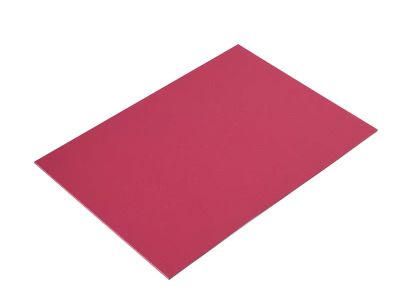
High Density Polyethylene (HDPE) rolls are vital materials used across various industrial applications due to their durability, versatility, and resistance to chemicals. Understanding the main uses of HDPE rolls in industry is essential for buyers, including purchasing managers, engineers, and product managers, as it influences purchasing decisions. This article will explore how to choose the right HDPE roll for your project, key specifications to consider, installation guidelines, common problems and solutions, and why Changzhou Sunplas Co., Ltd. is a trusted partner in your HDPE needs.
How to Choose the Right High Density Polyethylene Roll for Your Project?
Selecting the appropriate HDPE roll involves understanding the specific requirements of your application. Consider the following factors:
Application Needs: Determine the primary use of the HDPE roll. Common applications include packaging, geomembranes, and construction materials. Each application may require different thicknesses and strengths.
Thickness and Width: HDPE rolls come in various thicknesses and widths. Thicker rolls provide greater durability and resistance to wear but may be heavier and more challenging to handle. Ensure the dimensions meet your project’s requirements and machinery compatibility.
Environmental Conditions: Consider the environmental conditions where the HDPE will be used. Factors such as exposure to UV light, temperature fluctuations, and chemical exposure can affect the performance of the material. Specific grades of HDPE are designed to withstand harsher environments.
Customization Requirements: Assess whether you need customized features, such as color, surface texture, or additional coatings. Changzhou Sunplas Co., Ltd. offers various customization options to suit specific industry needs.
What to Look for in High Density Polyethylene Rolls?
When evaluating HDPE rolls, several specifications are crucial for ensuring the material meets your project requirements:
Material Quality: Ensure the rolls are made from high-quality HDPE, free from contaminants. This affects the strength, flexibility, and overall performance of the product.
Tensile Strength and Elongation: These specifications indicate how much stress the HDPE can withstand before failing. Higher tensile strength is preferable for applications requiring durability, while good elongation properties allow for flexibility without tearing.
Density: The density of the HDPE affects its performance characteristics. Standard HDPE typically has a density ranging from 0.93 to 0.97 g/cm³. Ensure the density aligns with your application’s requirements for strength and flexibility.
UV Resistance: For outdoor applications, UV resistance is critical to prevent degradation over time. Check if the HDPE rolls have UV stabilizers to enhance their longevity.
Compliance and Certifications: Verify that the hdpe high density polyethylene sheet comply with relevant industry standards and regulations, which may vary depending on your market. This ensures the product's safety and efficacy for use.
Installation Guidelines for High Density Polyethylene Rolls in Industry
Proper installation of HDPE rolls is essential for optimal performance. Here are key guidelines to follow:
Surface Preparation: Ensure that the surface where the HDPE will be installed is clean, dry, and free from debris. This helps to prevent any contamination that could affect adhesion or performance.
Handling and Storage: Store HDPE rolls in a shaded area if possible, as prolonged exposure to sunlight can weaken the material. Handle the rolls carefully to avoid creasing or damaging the edges.
Cutting and Joining: Use appropriate tools for cutting HDPE rolls to the desired size. When joining two pieces, consider using heat welding or adhesive bonding, ensuring a secure and durable connection.
Sealing and Finishing: If the application requires sealed edges, use compatible sealants or welding techniques to prevent water ingress or other contaminant exposure.
Testing: After installation, conduct tests to ensure that the high density polyethylene sheets performs as intended under operational conditions. This may include checking for leaks or structural integrity.
Common Problems with High Density Polyethylene Rolls and Their Solutions
While HDPE rolls are known for their durability, issues can arise during their use. Here are some common problems and solutions:
Tearing or Puncturing: This can occur if the HDPE roll is not adequately thick for the application or if sharp objects come into contact with it. To mitigate this, select a thicker roll with higher tensile strength for high-risk applications.
UV Degradation: If the HDPE rolls are exposed to sunlight without UV protection, they may become brittle over time. Choose UV-resistant HDPE rolls for outdoor applications and consider applying protective coatings if necessary.
Chemical Compatibility: Not all HDPE rolls are suitable for exposure to harsh chemicals. Always confirm the chemical compatibility of the HDPE with the substances it will encounter to avoid deterioration.
Poor Adhesion: If HDPE rolls are being bonded, poor adhesion can lead to failure. Ensure that surfaces are clean and consider using specialized adhesives designed for HDPE.
Wrinkling During Installation: This can happen if the installation environment is not adequately controlled. Maintain consistent temperature and humidity levels during installation to prevent wrinkles.
Why Changzhou Sunplas Is Your Trusted Partner?
Changzhou Sunplas Co., Ltd. has been a leader in the RD, production, and sales of functional plastic alloy sheets since 2003. Our advanced manufacturing capabilities, including nine co-extrusion lines producing over 30,000 tons annually, ensure high-quality HDPE rolls tailored to your specifications. We understand the importance of delivering products that meet stringent industry standards. Our commitment to quality control processes guarantees that every roll produced upholds the highest performance criteria. Moreover, our extensive experience serving multinational clients like Samsung and LG demonstrates our ability to meet diverse market needs effectively. With our customization capabilities and global export experience, Changzhou Sunplas is well-equipped to be your trusted partner in sourcing high-density high density polyethylene roll that meet your specific industrial requirements. Reach out to us to discuss how we can support your projects effectively.
Table of Contents
- How to Choose the Right High Density Polyethylene Roll for Your Project?
- What to Look for in High Density Polyethylene Rolls?
- Installation Guidelines for High Density Polyethylene Rolls in Industry
- Common Problems with High Density Polyethylene Rolls and Their Solutions
- Why Changzhou Sunplas Is Your Trusted Partner?