
 EN
EN


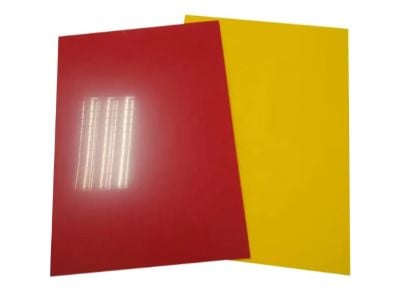
PS Diffuser Plates are essential components widely used in various lighting applications, providing uniform light distribution and enhancing the efficiency of light sources. This article, titled "ps diffuser plate 101: Properties, Applications & Buying Tips," aims to address key concerns that B2B buyers including purchasing managers, engineers, and product managers may have when considering these products. By delving into the properties, best practices for evaluation, sourcing strategies, usage tips, and common issues, this guide will equip buyers with the valuable insights needed to make informed purchasing decisions.
A Comprehensive Overview
PS Diffuser Plates are made from Polystyrene (PS) plastic and are primarily used to diffuse light in various applications, such as in LED lighting fixtures, signage, and display cases. These polystyrene board plates soften, scatter, and distribute light more evenly across surfaces, reducing glare and enhancing visual comfort. Key properties of PS Diffuser Plates include their excellent optical clarity, lightweight nature, and cost-effectiveness compared to other materials like acrylic or polycarbonate.
When assessing PS Diffuser Plates, buyers should consider specifications such as thickness, surface finish, and the degree of diffusion required for their specific application. The manufacturing process often involves co-extrusion, which allows for customization of different layers and properties, such as a matte finish for improved light diffusion or a glossy finish for reflective properties. Understanding these characteristics will help buyers select the appropriate diffuser plates for their needs.
How to Evaluate the Quality of PS Diffuser Plates Before Purchasing?
Evaluating the quality of PS Diffuser Plates is crucial to ensure they meet the performance standards required for your application. Here are several key factors to consider during your evaluation:
Material Specifications: Confirm that the plates are made from high-grade polystyrene sheet that complies with industry standards. A good PS plate should exhibit durability, resistance to yellowing, and minimal distortion.
Optical Properties: Assess the light transmission and diffusion characteristics. This can often be done through sample testing, where you can evaluate how well the plate diffuses light and minimizes hot spots.
Dimensional Accuracy: Ensure that the dimensions of the plates meet your project specifications. Tolerances should be checked, as improper dimensions can lead to installation challenges.
Surface Finish: The surface texture plays a vital role in how light is diffused. Smooth finishes may produce sharper light, while textured finishes provide softer, more diffuse lighting.
Quality Control Processes: Inquire about the manufacturer's quality control measures. This may include batch testing for optical clarity, mechanical strength, and ensuring compliance with relevant certifications.
By focusing on these criteria, buyers can avoid common pitfalls and ensure the PS Diffuser Plates chosen will perform effectively in their intended applications.
Where to Source Reliable PS Diffuser Plates for Bulk Orders?
Sourcing reliable PS Diffuser Plates requires a strategic approach to ensure quality and consistency, especially for bulk orders. Here are some key steps to consider:
Identify Reputable Manufacturers: Look for manufacturers with a proven track record in producing functional plastic products. Companies with extensive experience, like Changzhou Sunplas Co., Ltd., which has specialized in the RD and production of various plastic sheets since 2003, are often more reliable.
Request Samples: Before committing to large orders, request samples to evaluate the quality and performance of the PS Diffuser Plates. This step is critical for assessing material properties, optical clarity, and manufacturing precision.
Check Reviews and References: Seek feedback from previous customers or industry peers to gauge the manufacturer’s reliability and product performance. Customer testimonials can provide valuable insights into the supplier's capabilities.
Discuss Customization Options: If your application requires specific properties, such as a particular thickness or surface finish, engage the manufacturer in discussions about customization capabilities. This will help ensure that the final product meets your exact specifications.
Negotiate Payment and Delivery Terms: For bulk orders, negotiate favorable payment terms and delivery timelines. Consider potential lead times, especially if customization is involved, to align with your project schedules.
By following these steps, buyers can establish a solid foundation for sourcing high-quality PS Diffuser Plates that meet their operational needs.
How to Properly Use PS Diffuser Plates?
Proper usage of PS Diffuser Plates is essential for maximizing their performance in lighting applications. Here are some best practices to follow:
Installation Guidelines: Ensure that the plates are installed according to the manufacturer's specifications. This often includes recommended mounting methods and spacing requirements to achieve optimal light diffusion.
Environmental Considerations: Consider the operating environment where the diffuser will be used. Factors such as temperature variations, humidity levels, and exposure to chemicals can influence the durability and performance of the PS plates.
Integration with Light Sources: When integrating diffuser plates with light fixtures, ensure compatibility with the light source type (e. g., LED, fluorescent). This helps to avoid excess heat buildup, which can affect the plate's longevity.
Maintenance: Regularly clean the diffuser plates with a soft, non-abrasive cloth and mild detergent to prevent dust and grime buildup. This not only maintains optical clarity but also prolongs the life of the product.
By adhering to these usage guidelines, buyers can ensure that PS Diffuser Plates perform effectively and meet their desired lighting goals.
Identifying and Solving Common Problems with PS Diffuser Plates
Despite their numerous advantages, PS Diffuser Plates may encounter certain challenges during use. Here are some common problems and their solutions:
Yellowing or Discoloration: Over time, exposure to UV light can cause yellowing. To mitigate this, consider using PS plates with UV stabilizers or apply protective coatings during installation.
Cracking or Warping: Improper installation or exposure to extreme temperatures can lead to cracking. Ensure that installation adheres to specified guidelines and evaluate the working environment for temperature extremes.
Inadequate Light Diffusion: If the light is not diffusing as expected, check the thickness and surface finish of the plate. A thicker plate or a different surface texture may be necessary for achieving the desired diffusion effect.
Contamination: Dust, fingerprints, or other contaminants can affect light quality. Regular cleaning and proper handling during installation can help prevent this issue.
By proactively identifying and addressing these common problems, buyers can enhance the performance and durability of their PS Diffuser Plates, ensuring they provide reliable and consistent lighting solutions.
Understanding the essential properties, evaluation criteria, sourcing strategies, proper usage, and potential challenges of PS Diffuser Plates empowers B2B buyers to make informed decisions. With careful consideration and strategic planning, organizations can successfully procure high-quality diffuser plates that meet their specific lighting needs.