
 EN
EN


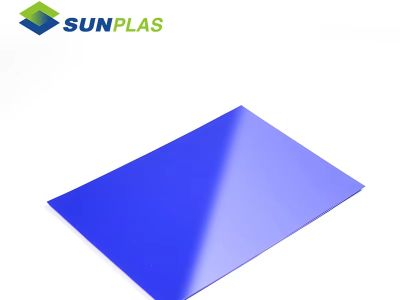
Bendable hard plastic sheets are versatile materials that can be customized for a variety of industrial applications. Selecting the right material for your project is crucial, as it affects not only the performance and durability of the final product but also the cost and installation process. This article will explore the various considerations when choosing bendable hard plastic sheets, including material specifications, cost factors, applications across different industries, and installation guidelines. By understanding these aspects, purchasing managers and project leaders can make informed decisions that meet their specific needs.
Choosing the Right Bendable Hard Plastic Sheets for Your Project
When selecting bendable hard plastic sheets, it’s important to consider the specific requirements of your project. Factors such as flexibility, strength, and impact resistance are crucial in determining the suitable material. Common materials used for these sheets include Acrylonitrile Butadiene Styrene (ABS), High-Impact Polystyrene (HIPS), and Polystyrene (PS).
ABS Sheets: Known for their excellent toughness and rigidity, ABS sheets are ideal for applications requiring durability, such as automotive parts or appliance housings. They also offer good chemical resistance and can withstand a range of temperatures.
HIPS Sheets: HIPS provide a balance of strength and flexibility, making them suitable for applications such as signage and packaging. Their excellent print ability allows for high-quality graphics, which is beneficial in advertising applications.
PS Sheets: Lightweight and cost-effective, PS sheets are often used in less demanding applications. They are easy to mold and work with, making them suitable for prototypes and short-run production.
Understanding the specific application requirements will help you choose the right material that meets both functional and budgetary needs.
Comparing Material Specifications for Bendable Hard Plastic Sheets
Material specifications play a critical role in performance and suitability for specific applications. Key specifications to consider include thickness, tensile strength, impact resistance, and temperature tolerance.
Thickness: Generally, thicker sheets provide greater durability and impact resistance. However, they may also be heavier and less flexible. For applications requiring bending or shaping, a thinner sheet may be beneficial.
Tensile Strength: This measures how much pulling force a material can withstand before breaking. Higher tensile strength is vital for applications that involve mechanical stress, such as in automotive or industrial settings.
Impact Resistance: Materials with high impact resistance protect against physical damage. This is particularly important in environments where the sheets may be exposed to heavy usage or accidental impacts.
Temperature Tolerance: Knowing the temperature range that the material can withstand is essential, especially for applications in environments with extreme heat or cold.
By comparing these specifications, buyers can ensure that the selected bendable hard plastic will perform well under expected conditions.
Cost Factors to Consider When Purchasing Bendable Hard Plastic Sheets
Cost is a significant consideration when procuring bendable hard plastic sheets. Various factors influence pricing, including material type, thickness, customization needs, and order quantity.
Material Type: Different materials have varying costs associated with their production and processing. For instance, ABS sheets typically cost more than PS sheets due to their enhanced properties.
Customization: Custom-cut dimensions, colors, or surface treatments can add to the overall price. It's important to provide detailed specifications when requesting quotes to ensure accurate pricing.
Order Quantity: Many manufacturers, including Changzhou Sunplas Co., Ltd., may have minimum order quantities (MOQ). Larger orders often lead to reduced per-unit costs, making it economically advantageous to plan for higher volumes when possible.
Shipping and Handling: Depending on the destination and the size of the order, shipping costs can vary significantly. Buyers should consider these logistics when budgeting for their projects.
By understanding these cost factors, purchasing managers can better evaluate quotes and optimize their budgets.
Applications of Bendable Hard Plastic Sheets in Various Industries
Bendable hard plastic sheets have a diverse range of applications across multiple industries. Their adaptability makes them suitable for:
Automotive: Used in interior and exterior components due to their lightweight and durable nature. ABS sheets are particularly popular for parts that require both flexibility and strength.
Appliances: HIPS sheets are commonly used in household appliances, providing a good balance of aesthetic appeal and functionality.
Construction: In construction, these sheets can be used for temporary structures, signage, or interior design elements, where both durability and ease of installation are necessary.
Advertising: The vibrant printing capability of HIPS makes it a preferred choice for signs and displays allowing businesses to effectively communicate their messages.
Understanding the specific requirements and standards in these industries helps in selecting the most appropriate flexible hard plastic sheet for the intended use.
Installation Guidelines for Bendable Hard Plastic Sheets in Projects
Proper installation of bendable hard plastic sheets is critical to ensure their performance and longevity. Here are key guidelines to follow:
Surface Preparation: Ensure that the installation surface is clean, dry, and free of contaminants. This ensures better adhesion if adhesives are used.
Temperature Control: Work within the recommended temperature range for the materials. Extreme temperatures during installation can affect flexibility and performance.
Cutting and Shaping: Use appropriate tools for cutting the sheets to avoid damaging the edges. For example, a fine-toothed saw is recommended for ABS sheets to ensure a clean cut.
Fastening: Depending on the application, various fastening methods can be used, including screws, adhesives, or clips. Ensure that fasteners are compatible with the material to avoid corrosion or weakening.
Testing: Before mass production or large-scale implementation, it’s advisable to test the sheets under actual operating conditions to ensure they meet performance expectations.
By adhering to these installation guidelines, buyers can maximize the lifespan and effectiveness of their bendable hard plastic sheets. selecting the right bendable 2mm hard plastic sheet involves careful consideration of material specifications, cost factors, and application requirements. By understanding these elements and following proper installation practices, purchasing managers and project leaders can make informed decisions that lead to successful project outcomes.
Table of Contents
- Choosing the Right Bendable Hard Plastic Sheets for Your Project
- Comparing Material Specifications for Bendable Hard Plastic Sheets
- Cost Factors to Consider When Purchasing Bendable Hard Plastic Sheets
- Applications of Bendable Hard Plastic Sheets in Various Industries
- Installation Guidelines for Bendable Hard Plastic Sheets in Projects