
 EN
EN



Selecting the right thickness for PS diffuser plate production is crucial for ensuring optimal performance and functionality in various applications. This article will guide B2B buyers—such as purchasing managers, engineers, and product managers—through the key specifications and considerations involved in choosing the appropriate thickness for PS diffuser plates. By understanding these aspects, buyers can make informed decisions that align with their product requirements and operational needs
Key Specifications for PS Diffuser Plate Thickness Selection
When selecting the thickness for PS diffuser plates, several specifications must be considered. The primary factors include mechanical strength, light diffusion quality, and thermal stability
Mechanical Strength: Thicker plates generally offer greater mechanical strength, making them suitable for applications that require durability and resistance to impact. Conversely, thinner plates may be more appropriate for lightweight applications but could compromise strength
Light Diffusion Quality: The thickness affects how light is diffused through the plate. Thinner plates may provide a more uniform light output but can also lead to greater light loss, while thicker plates might enhance diffusion quality but can create hotspots if not designed correctly
Thermal Stability: Thicker plates tend to provide better thermal insulation, which is critical in applications involving heat-sensitive components. It’s essential to balance thermal performance with the desired aesthetic and functional outcomes
Understanding these specifications allows buyers to tailor their selection to meet specific application demands, ensuring that the diffuser plates perform effectively in their intended environments
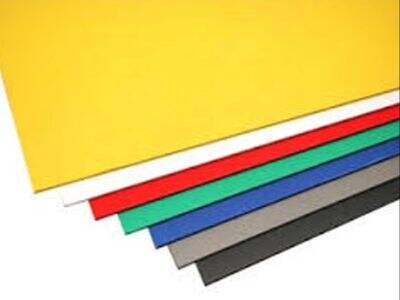
Evaluating PS Diffuser Plate Thickness
Evaluating the appropriate thickness for PS diffuser plates involves assessing the application requirements. Buyers should consider the following steps
Application Environment: Identify the operational environment where the diffuser will be used. Factors such as temperature, humidity, and exposure to chemicals can influence the thickness needed for optimal performance
Load and Pressure Requirements: Determine if the diffuser will be subjected to additional loads or pressures. For example, applications with heavy machinery nearby may necessitate a thicker plate to withstand potential impacts
Aesthetic Considerations: Depending on the design requirements, the thickness can also influence the visual appearance of the diffuser. Buyers should consider how the thickness interacts with design elements, such as light fixtures or housing
Sample Testing: Before finalizing the thickness, it’s advisable to conduct sample testing under actual operating conditions. This helps confirm that the selected thickness meets the performance expectations and integrates well with existing systems
By systematically evaluating these factors, buyers can make more informed decisions regarding PS diffuser plate thickness, minimizing the risk of performance issues
Understanding the Cost Factors in PS Diffuser Plate Thickness
Cost is a significant consideration in the selection of PS diffuser plate thickness. Several factors contribute to the overall cost
Material Costs: The choice of material, whether it's ABS, HIPS, or PS, affects pricing. Thicker plates typically require more raw material, which can increase costs. Moreover, specific formulations may be more expensive due to their enhanced properties
Manufacturing Processes: The production method can influence pricing. For instance, co-extrusion processes may offer cost efficiencies for thicker plates but could require more complex machinery and longer production times
Customization: Custom thickness requirements may lead to higher costs due to the need for specialized production runs. Buyers should communicate their specific needs to suppliers to obtain accurate quotations
Volume Discounts: Purchasing in bulk can often lead to discounts. Buyers should consider their minimum order quantities (MOQ) and the potential for cost savings when planning their procurement strategy
By understanding these cost factors, buyers can better assess their budgets and negotiate effectively with suppliers for the best pricing on PS diffuser plates
Installation Best Practices for PS Diffuser Plates of Varying Thickness
When installing PS diffuser plates of varying thicknesses, following best practices is essential to ensure proper functionality and longevity
Proper Support Structures: Thicker plates may require sturdier support structures to prevent sagging or warping. Ensure that installation frameworks are designed to accommodate the weight and dimensions of the selected thickness
Sealing and Fixation: The method used for sealing and fixing the plates can vary based on thickness. Thinner plates may require careful handling to avoid cracking during installation, whereas thicker plates may need additional sealing methods to ensure airtightness
Alignment and Fit: During installation, it’s crucial to ensure that plates are aligned correctly within their frames. Misalignment can lead to light leakage or aesthetic issues
Temperature Considerations: Acclimate the plates to the installation environment before fixing them in place. This helps prevent expansion or contraction issues once they are installed
By adhering to these installation best practices, buyers can enhance the performance and lifespan of their PS diffuser plates, reducing the likelihood of future issues
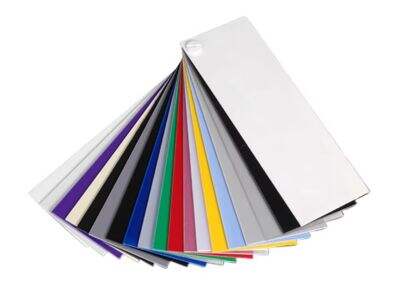
Common Problems When Selecting PS Diffuser Plate Thickness Solutions
Selecting the wrong thickness for PS diffuser plates can lead to several common problems. Here are a few to watch for
Inadequate Performance: A plate that is too thin may not provide the necessary mechanical strength or light diffusion, resulting in subpar performance in its intended application. This can lead to dissatisfaction and increased maintenance costs
Physical Damage: Thicker plates may be more challenging to handle and install, leading to potential damage during transportation or installation if proper care is not taken
Increased Costs: Opting for a thicker plate
than necessary can drive up costs unnecessarily. Buyers should ensure that they are not over-specifying thickness without a clear application need
Long Lead Times: Custom thickness requests can lead to longer lead times for production and delivery. Buyers must plan their procurement timelines accordingly to avoid disruptions
By being aware of these potential pitfalls, buyers can navigate the selection process more effectively, leading to better outcomes for their projects and applications
Understanding how to select the right thickness for PS diffuser plate production involves careful consideration of specifications, evaluation criteria, cost factors, installation best practices, and common issues. With this knowledge, B2B buyers can make more informed decisions that align with their operational requirements and enhance the performance of their products
Table of Contents
- Key Specifications for PS Diffuser Plate Thickness Selection
- Evaluating PS Diffuser Plate Thickness
- Understanding the Cost Factors in PS Diffuser Plate Thickness
- Installation Best Practices for PS Diffuser Plates of Varying Thickness
- Common Problems When Selecting PS Diffuser Plate Thickness Solutions