
 EN
EN


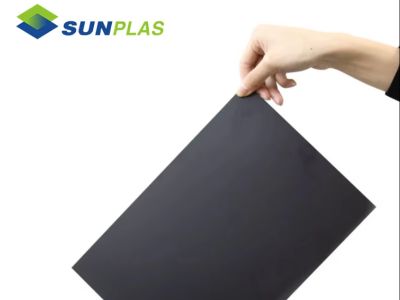
Understanding how vacuum forming grade ABS sheet performs under high heat conditions is essential for manufacturers and engineers involved in industries requiring reliable materials for high-temperature applications. This article will delve into the key specifications of ABS sheets, their suitability for high-heat environments, and practical considerations for purchasing and application. Buyers often seek assurance of material performance, compatibility, and quality. By the end of this article, you'll gain insights into making informed decisions regarding vacuum forming grade abs sheet for your specific needs.
Key Specifications for High-Heat Performance of ABS Sheets
When evaluating vacuum forming grade ABS sheets for high-heat applications, several key specifications should be taken into account. These include the material’s heat deflection temperature (HDT), tensile strength, and thermal stability.
Heat Deflection Temperature (HDT): This measures the temperature at which the material begins to deform under a specified load. For ABS, the HDT typically ranges from 90°C to 100°C (194°F to 212°F). Understanding this specification helps buyers determine whether the material can withstand the operational temperatures of their application without losing structural integrity.
Tensile Strength: This is the maximum stress the material can withstand while being stretched or pulled before failing. ABS sheets generally exhibit a tensile strength of around 30 MPa, which provides adequate strength for many applications but should be evaluated against specific use cases.
Thermal Stability: A material’s ability to maintain its properties over time at elevated temperatures is crucial. Buyers should look for ABS sheets that offer good thermal stability to avoid performance degradation in high-heat environments.
These specifications are critical in determining whether a specific grade of sheets of abs plastic will meet the demands of your application, especially in sectors like automotive, electronics, and construction.
Choosing the Right ABS Sheet for High-Temperature Applications
Selecting the right ABS sheet for high-temperature applications involves considering both the precise application requirements and the environmental conditions the material will face.
Application Needs: Determine the specific requirements of your application, including the maximum temperature, exposure time, and mechanical load. For instance, in automotive interiors, abs plastic sheet may be exposed to direct sunlight and high cabin temperatures, necessitating a high HDT.
Environmental Conditions: Assess the chemical exposure and humidity levels in the intended application environment. For example, if the ABS will be exposed to solvents or moisture, additional protective treatments may be necessary to enhance performance.
Customization Options: Some manufacturers, like Changzhou Sunplas Co., Ltd., offer customization capabilities, allowing buyers to specify dimensions, colors, or additives that can enhance performance under high heat. Discussing these options with your supplier can lead to better-suited products for unique applications.
By thoroughly evaluating these factors, buyers can make informed choices that ensure the selected ABS sheet will perform effectively in high-temperature applications.
Comparing ABS Sheet Options for High-Heat Industrial Use
When it comes to selecting an ABS sheet for high-heat industrial use, various product options are available, each with distinct advantages.
Standard vs. Modified ABS: Standard ABS sheets are cost-effective and suitable for many applications, but modified grades with enhanced thermal resistance may be necessary for more demanding environments. Modified ABS sheets often incorporate additives that improve heat resistance and impact strength.
Thickness Considerations: Thicker sheets may provide better thermal insulation but can also be heavier and more expensive. Buyers should weigh the benefits of thickness against the application’s design and weight constraints.
Supplier Variability: Different manufacturers may offer varying formulations of ABS sheets. It’s essential to compare specifications, quality control processes, and production capabilities of suppliers like Changzhou Sunplas to ensure consistency and reliability in your supply chain.
Understanding these comparisons can help buyers navigate the options and select the best fit for their industrial requirements.
Cost Considerations for High-Heat Resistant ABS Sheet Purchases
Cost is always a significant factor when purchasing materials, particularly for high-performance applications.
Material Costs: The price of high-heat resistant ABS sheets can vary based on the formulation and any specific modifications required. Modified ABS sheets designed for high-temperature performance may come at a premium due to their enhanced properties.
Volume Discounts: Purchasing larger quantities can often result in significant savings. Buyers should discuss minimum order quantities (MOQ) with suppliers to determine how pricing can be optimized based on expected usage.
Long-term Value: While the upfront cost is important, consider the long-term value of the material. Selecting a sheet that performs reliably under high heat can reduce maintenance costs and product failures in the future.
By balancing initial costs with long-term performance and reliability, buyers can make more economically sound purchasing decisions.
Exploring Applications of Vacuum Forming ABS in High-Temperature Environments
Vacuum forming grade ABS sheets are widely used across various industries, particularly in applications that demand durability and performance under heat. Some notable applications include:
Automotive Components: In the automotive industry, vacuum-formed ABS sheets are often utilized for interior panels, dashboards, and trim pieces. These components must withstand heat from sunlight and engine temperatures, making high-heat resistance a key requirement.
Appliance Housings: ABS sheets are frequently used for casings and housings in appliances like microwaves and refrigerators. These applications demand materials that can resist deformation under heat while maintaining an attractive finish.
Construction and Signage: For construction applications and outdoor signage, the materials must endure varying weather conditions and temperature fluctuations. ABS sheets are favored for their balance of lightweight properties and strength, making them suitable for these uses.
In each of these applications, the performance of vacuum forming grade ABS sheets under high heat is critical to the success and longevity of the final product. Evaluating the specific requirements of your application will enable you to choose the most suitable material.
By understanding the performance characteristics, selection criteria, and various applications of vacuum forming grade ABS sheets, buyers can make informed decisions that align with their operational needs and quality expectations. This comprehensive approach ensures that the chosen material will deliver optimal performance in high-temperature environments.
Table of Contents
- Key Specifications for High-Heat Performance of ABS Sheets
- Choosing the Right ABS Sheet for High-Temperature Applications
- Comparing ABS Sheet Options for High-Heat Industrial Use
- Cost Considerations for High-Heat Resistant ABS Sheet Purchases
- Exploring Applications of Vacuum Forming ABS in High-Temperature Environments