
 EN
EN


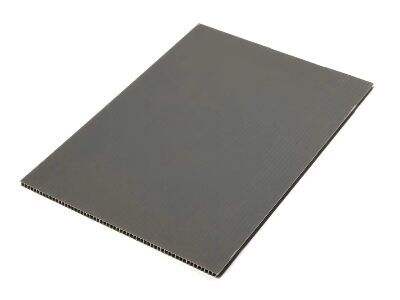
New age aids, like computers and televisions, were not always made with the materials they are today. In earlier times, most of the TV's and the appliances were built using materials like Wood, Metal, Glass. The only problem was that these materials were quite tough but very weighty which, in turn, made moving and shipping TVs and appliances a large-scale task.
The Evolving Materials of Early TV and Appliance Manufacturing
As time went on, the materials used in making acrylic plastic for sale caught up with enhanced technology. On account of being light weight and amiable to shape the plastic became a much sought after material. Plastic made it possible for TVs and appliances to become sleeker and appear more modern. In addition to allowing these home goods look appear more modern, plastic was much less expensive than the wood and metal of old materials, making TVs and appliances more affordable for families as well.
How by new materials the household electronics changed their impression
Today, manufacturers are using even more cutting-edge materials such as fiberglass, aluminum and even carbon fiber in the creation of your televisions and home appliances. They are also stylish yet sleek, lightweight and durable materials. Lastly, regarding the material: fiberglass is used here to create super slim and transparent TV screens in HD quality. Great for flexible abs plastic sheet like ovens and industrial-grade stovetops where carbon fiber is both strong, heat-resistant, suitable.
How new materials will affect the design and function of TVs and appliances
The appearance of TVs and technology has changed as a result of their manufacture in new materials, which at the same time made a big difference for functionality. New advanced materials, like ceramics and titanium, are being used to increase the durability and performance of your TVs and appliances. TVs have used ceramics to improve sound which was previously possible only with much larger speakers, and new technologies let households cook with titanium for higher heat resistance and uses significantly less electricity. These are completely changing how we interact with our household electronics as a whole, giving us much more power and making many tasks just so much easier.
How Environmentally Friendly Materials are Impacting the Next Era of Electronics Manufacturing
With the planet and its resources slowly but surely diminishing due to wasteful use of product, manufacturers are looking for greener ways to produce there technology stuff be it TVs or molding abs plastic sheet. Sustainable and eco-friendly products are using materials such as bio plastics, recycled plastics, etc. Bio plastics are created from plants such as corn and sugarcane, resulting in lessening our dependence on fossil fuels. The bottle is further enhanced with recycled plastics that are better for the planet and make less trash in landfills or oceans, and bamboo, another fast-growing plant material that's fully biodegradable too. Manufacturers include these sustainable materials in the manufacturing procedure, so they are helping to decrease their carbon foot mark by contributing in protection of environment.
Discover the advanced materials that are used to manufacture the TVs and appliances of tomorrow
The electronics industry has bright sparks, though. Innovation around the horizon? Emerging materials like graphene, carbon nanotubes (CNTs), bio composites. Graphene is thin, soft screen making superconductor material for ultra-thin-thick television. Appliances containing nanotubes for improved energy efficiency and performance Sturdy, eco-friendly products are built with the likes of hemp and flax composing bio-composites. At their core, these groundbreaking materials are redefining the runway of design, and innovation in televisions and appliances like never before providing a glimpse at the future of next-level home devices.
To sum up, the materials family in TV and appliance production has experienced a significant transformation from wood and metal as conventional materials to graphene and bio-composites. These materials can deliver improved aesthetics, higher performance and increased sustainability in household electronics. We simply cannot imagine the future of our houses without devices and functional technology innovations, from refrigerators to traditional TVs both already have been outgrown by 4K versions that much more brittle than flexible OLEDs.
Table of Contents
- The Evolving Materials of Early TV and Appliance Manufacturing
- How by new materials the household electronics changed their impression
- How new materials will affect the design and function of TVs and appliances
- How Environmentally Friendly Materials are Impacting the Next Era of Electronics Manufacturing
- Discover the advanced materials that are used to manufacture the TVs and appliances of tomorrow