
 EN
EN


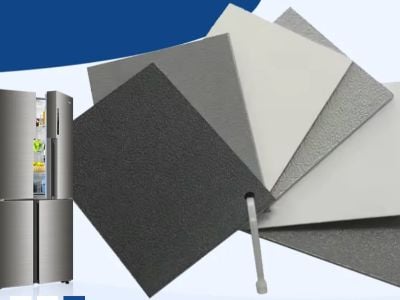
Toy makers care a lot about the safety of the toys they create. They want kids to have fun while playing, but they also want to ensure that the materials used are safe and healthy. That’s why many toy manufacturers are choosing non-toxic HIPS plastic. This special type of plastic is not only strong but also safe for children, helping to keep families worry-free while kids enjoy their toys. HIPS stands for High Impact Polystyrene, and the best part is that it is entirely non-toxic, meaning it will not harm kids if they accidentally touch it or even put it in their mouths. Because of this, many parents actively look for toys made from this material to ensure they are getting what is best for their children
Why Non-Toxic HIPS Plastic is the Best Choice for Toy Manufacturers
Non-toxic HIPS Sheet is a wonderful choice for toy makers because it offers an ideal balance of durability and workability. First and foremost, HIPS plastic is super tough, which means it can easily handle all the rough play that kids might dish out. Whether a toy is dropped, thrown, or sat on, HIPS can take the abuse without cracking or breaking like more brittle materials. This exceptional impact resistance is important for creating toys that are meant to last a long time. Another great thing about HIPS plastic is that it can be produced in almost any color, allowing toy makers to create bright, beautiful items that instantly catch the eye of kids and parents alike. It is also incredibly easy to thermoform and shape into intricate designs, meaning it can be used for everything from detailed dolls and toy cars to complex puzzles. Finally, HIPS plastic is fully recyclable, which is great news for the environment. When a toy is no longer wanted, it can be reprocessed into new industrial products instead of taking up space in a landfill, helping to protect our Earth while keeping children safe
How Non-Toxic HIPS Plastic Ensures Safety in Children's Toys
Safety is the top priority when it comes to children's products because kids love to explore the world with their hands and mouths. Because non-toxic HIPS plastic is completely safe and free from harmful chemical leachates, parents can relax knowing their children are not in danger. Unlike some older plastics, high-quality HIPS does not release dangerous toxins or volatile organic compounds during play. It is also incredibly easy to clean and sanitize; if a toy gets dirty, it can be wiped down quickly with a cloth and some soap to eliminate germs and keep playtime healthy. Furthermore, raw material manufacturers like SUNPLAS follow strict global guidelines and regulations to ensure their batches meet safety standards. They rigorously test their plastic sheets for compliance with certifications like RoHS, checking for purity before the material ever reaches a factory production line. This careful quality assurance means that parents can trust they are buying safe toys that have been crafted with the utmost care
Common Sourcing and Usage Issues with HIPS Plastic
While High Impact Polystyrene is an excellent material for manufacturing, producers must navigate a few inherent material limitations to maintain a high-quality product line. One issue is that while HIPS Plastic Sheet has excellent impact strength, it can be more prone to stress-cracking or fracturing under extreme focal leverage compared to premium engineered alternatives like ABS. Children can sometimes be incredibly rough, so toy designers must carefully evaluate wall thickness during the injection molding or vacuum forming stages. Another challenge is that HIPS plastic has a relatively low heat deflection temperature, meaning it can easily change shape, bend, or warp if left in a hot car, near a heater, or in direct, intense sunlight. Additionally, HIPS has a low surface energy, which means standard paints and stickers might not stick well and can peel off easily unless the plastic undergoes a specialized corona treatment to improve surface adhesion. Finally, sourcing raw materials can be tricky because buyers must verify that the supplier specifically produces non-toxic, food-grade, or toy-safe polymer sheets rather than industrial-grade recycled blends that might contain trace contaminants
How to Maximize Toy Quality with Non-Toxic HIPS Plastic Materials
To produce the highest quality toys from non-toxic HIPS Polystyrene Sheet, manufacturers can implement several precise processing steps and design adjustments. First, choosing the right grade of raw material is crucial because not all HIPS sheets share the same physical properties. Manufacturers should source high-performance HIPS that feature a balanced density and optimized tensile strength to better withstand rough handling. Another important step is to implement rigorous product testing before mass production begins, subjecting prototype toys to drop tests from various heights and heat-chamber exposures to ensure they hold up in real-world environments. Utilizing smart geometric designs can also significantly improve the structural integrity of the finished toy; for instance, adding rounded edges and internal reinforcing ribs makes the toy safer for toddlers while making the plastic shell far less likely to crack upon impact. Production engineers must also maintain their extrusion and molding machinery regularly to prevent surface defects or uneven wall distribution during the vacuum forming process. Finally, gathering direct feedback from parents and child testing groups allows manufacturers to continuously refine their toy shapes, ensuring the final products are consistently fun, durable, and safe
Where to Find Reliable Suppliers of Non-Toxic HIPS Plastic for Wholesale
Securing a reliable wholesale supplier of non-toxic HIPS plastic is essential for maintaining a steady, high-quality manufacturing operation. A premium supplier will consistently provide plastic sheets that meet international safety standards while offering excellent batch uniformity. One of the best ways to find these partners is to search online B2B directories and specialized industrial supplier networks, making sure to carefully read customer reviews and check trading histories. It is also highly effective to look into established sheet extrusion experts like SUNPLAS, a major manufacturer equipped with advanced co-extrusion production lines that specializes in customizable, high-impact polystyrene sheets. Attending international plastics trade shows and manufacturing expos is another excellent strategy, as these events allow you to meet factory representatives face-to-face, inspect material samples firsthand, and review safety certifications in person. Always verify that a potential supplier holds valid ISO9001 and RoHS certifications to guarantee their materials are non-toxic and free from heavy metals. Once you find a qualified partner, establishing a transparent, long-term relationship with clear communication will help ensure your wholesale orders are fulfilled accurately, on time, and at competitive volume pricing.
Table of Contents
- Why Non-Toxic HIPS Plastic is the Best Choice for Toy Manufacturers
- How Non-Toxic HIPS Plastic Ensures Safety in Children's Toys
- Common Sourcing and Usage Issues with HIPS Plastic
- How to Maximize Toy Quality with Non-Toxic HIPS Plastic Materials
- Where to Find Reliable Suppliers of Non-Toxic HIPS Plastic for Wholesale