
 EN
EN


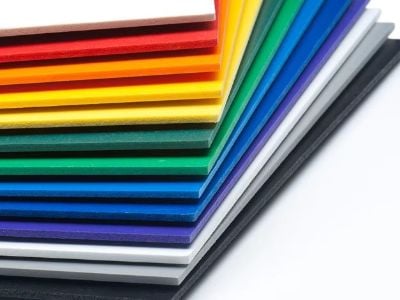
High-density polyethylene (HDPE) is one of the most widely used materials for liner fabrication across many industries. At SUNPLAS, we provide HDPE rolls that are strong, flexible, and suitable for a wide range of applications. These rolls are commonly used for pond liners, landfill liners, agricultural projects, and industrial containment systems. Thanks to their waterproof properties and long service life, hdpe high density polyethylene sheet rolls help protect the ground from leaks and contamination while delivering dependable performance. Choosing HDPE rolls from SUNPLAS means investing in a durable and cost-effective solution for your liner fabrication needs.
What Are the Key Benefits of High-Density Polyethylene Rolls for Wholesale Buyers?
Purchasing HDPE rolls in bulk offers several advantages for wholesale buyers. One of the biggest benefits is their outstanding strength. HDPE can withstand heavy loads and pressure without tearing, making it ideal for demanding projects. For example, a large pond liner made from hdpe sheets can easily support the weight of water while resisting damage from weather and environmental conditions.
Another major advantage is chemical resistance. HDPE performs well when exposed to oils, fuels, fertilizers, and many harsh chemicals that can damage other liner materials. This makes it an excellent choice for industrial, agricultural, and environmental protection projects.
HDPE rolls are also easy to transport and install. Since they are supplied in roll form, they can be moved efficiently and cut to the required dimensions on-site. This reduces handling time and installation costs while improving project efficiency.
Although HDPE may have a higher initial cost than some alternative materials, its durability significantly lowers long-term replacement and maintenance expenses. Businesses can save money over the lifespan of the liner because HDPE requires fewer repairs and replacements.
In addition, HDPE is recyclable, making it an environmentally responsible material. Companies looking to improve their sustainability efforts can benefit from using recyclable HDPE products. With SUNPLAS 6mm hdpe sheet rolls, wholesale buyers receive a reliable, durable, and eco-friendly solution for a wide variety of liner fabrication projects.
How to Choose the Right High-Density Polyethylene Roll for Your Liner Fabrication Needs?
Selecting the right HDPE roll depends on the specific requirements of your project. One of the first factors to consider is thickness. Thicker HDPE rolls are designed for heavy-duty applications such as landfill liners, mining projects, and industrial containment systems, while thinner rolls are suitable for lighter applications.
The roll size is another important consideration. Choosing a wider or longer roll can reduce the number of seams during installation, helping minimize the risk of leaks and improving overall performance.
Color may also play a role depending on the application. Black HDPE is commonly used because it provides excellent UV resistance and helps reduce algae growth in water containment projects by blocking sunlight.
It is also important to consider the environment where the liner will be installed. Projects involving extreme temperatures, prolonged sunlight exposure, or aggressive chemicals require HDPE rolls that are specifically manufactured to withstand those conditions.
Finally, always choose products from a trusted manufacturer. SUNPLAS HDPE rolls are produced under strict quality standards and are backed by reliable warranties, giving customers confidence in the long-term performance of their investment.
How HDPE Rolls Improve Liner Fabrication Quality?
HDPE rolls from SUNPLAS help improve the overall quality of liner fabrication in several ways. First, the material offers exceptional durability, allowing liners to resist tears, punctures, and environmental stress over many years of service. This is especially important for applications such as landfills, reservoirs, ponds, and agricultural water storage, where leaks can result in serious environmental damage.
The smooth surface of HDPE also makes liners easier to clean and maintain. Dirt and debris are less likely to stick to the material, helping preserve its performance over time.
Another key advantage is HDPE's excellent chemical resistance. Many industrial and agricultural applications involve exposure to chemicals that could damage ordinary materials. HDPE maintains its structural integrity even when in contact with many corrosive substances, making it a dependable choice for containment systems.
Its flexibility further simplifies installation. Large HDPE rolls can cover wide areas with fewer seams, reducing installation time while improving the finished appearance and leak resistance of the liner. By combining strength, flexibility, and chemical resistance, SUNPLAS HDPE rolls provide an excellent solution for high-quality liner fabrication.
Common Challenges When Using HDPE Rolls.
Although HDPE rolls offer many benefits, there are a few considerations to keep in mind during installation and use. Temperature is one important factor. In very cold conditions, HDPE becomes less flexible, making installation more difficult. Whenever possible, installation should be performed in moderate weather conditions.
Proper installation is also essential. Wrinkles, folds, or poorly welded seams can create weak points that may eventually lead to leaks. Following recommended installation procedures and ensuring a smooth, secure fit will help maximize performance.
Choosing the correct thickness is equally important. While thicker HDPE rolls provide greater durability, they are also heavier and may require more equipment or labor during installation. Selecting the appropriate thickness for your specific application helps balance performance and ease of handling.
Storage is another important consideration. Before installation, HDPE rolls should be kept in a cool, dry location and protected from prolonged exposure to sunlight or physical damage. Proper storage helps preserve the material's quality until it is ready for use.
By understanding these common challenges and preparing accordingly, users can maximize the performance and lifespan of SUNPLAS HDPE rolls.
Where to Source Cost-Effective HDPE Rolls?
Finding high-quality HDPE rolls at competitive prices is important for keeping project costs under control. SUNPLAS offers a wide range of HDPE rolls in different sizes and thicknesses to meet the needs of various liner fabrication projects.
For larger projects, purchasing in bulk is often the most cost-effective option, as wholesale pricing can significantly reduce the cost per roll. Customers should also check for seasonal promotions, volume discounts, or special offers that may provide additional savings.
If you are unsure which product best fits your application, the SUNPLAS team can provide professional guidance based on your project requirements, budget, and performance expectations. They can also answer questions about product specifications, installation recommendations, and long-term durability.
Finally, remember to consider shipping costs when comparing suppliers. In many cases, larger orders may qualify for discounted or free shipping, helping reduce overall project expenses. By working with SUNPLAS, customers can obtain reliable HDPE rolls that combine quality, performance, and excellent value for liner fabrication projects.
Table of Contents
- What Are the Key Benefits of High-Density Polyethylene Rolls for Wholesale Buyers?
- How to Choose the Right High-Density Polyethylene Roll for Your Liner Fabrication Needs?
- How HDPE Rolls Improve Liner Fabrication Quality?
- Common Challenges When Using HDPE Rolls.
- Where to Source Cost-Effective HDPE Rolls?