
 EN
EN


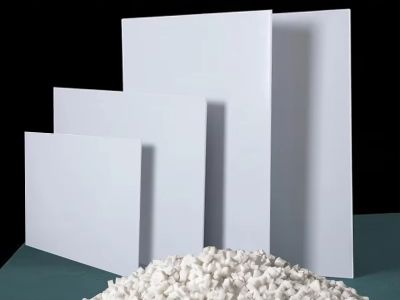
Colored ABS sheets and transparent ABS sheets are essential materials used in a variety of industries, including manufacturing, automotive, and advertising. Understanding the differences between these two types of sheets is crucial for purchasing managers, engineers, and product managers who need to select the right material for their specific applications. This article will clarify the key distinctions between colored ABS sheets and transparent ABS sheets, helping buyers make informed decisions based on their unique requirements.
What Are the Key Differences Between Colored and Transparent ABS Sheets?
The primary distinction between colored and transparent ABS sheets lies in their visual properties and applications. Colored ABS sheets are produced with pigments that provide a solid color finish, making them suitable for applications where aesthetics are a priority. In contrast, transparent ABS sheets are clear and allow for light transmission, making them ideal for applications requiring visibility or light diffusion. From a manufacturing perspective, the process for producing colored sheets involves mixing pigments into the colored abs plastic sheet resin before extrusion. This ensures that the color is consistent throughout the sheet. Transparent sheets, on the other hand, are made with a focus on clarity and can be more challenging to produce consistently, as even minor imperfections can impact their transparency. This difference in production can affect pricing and lead times, with colored sheets generally being quicker to produce.
Colored vs. Transparent Options
When considering colored versus transparent options, buyers should evaluate their project's specific needs. Colored ABS sheets offer vibrant and diverse aesthetic choices for applications like signage, displays, and decorative elements. The ability to choose from various colors allows for branding opportunities and design flexibility. Transparent colored abs plastic, however, are often used in applications such as protective covers, light fixtures, and display cases, where visibility is critical. They are favored for their ability to withstand impact while providing a clear view of the contents within. Buyers should also note that while colored sheets can hide imperfections, transparent sheets require a higher standard of quality and surface finish to ensure they meet aesthetic and functional requirements.
Colored and Transparent ABS Sheets Explained
ABS (Acrylonitrile Butadiene Styrene) is a thermoplastic polymer known for its strength, durability, and ease of processing. Both colored and transparent ABS sheets offer distinct advantages based on their intended use.
Colored ABS Sheets:
Advantages: Enhanced aesthetics, UV resistance (depending on the formulation), and good impact resistance. These sheets are often used in automotive interiors, electronic housings, and consumer products.
Customization: Buyers can often request specific colors and finishes, accommodating unique branding or design specifications.
Transparent ABS Sheets:
Advantages: High clarity, impact resistance, and a smooth surface finish. These sheets are commonly utilized in applications such as safety guards, protective barriers, and display cases.
Considerations: While they provide excellent visibility, any surface imperfections or inclusions can detract from their utility, making quality control paramount.
Understanding these distinctions helps buyers choose the right type of ABS sheet based on their project needs, whether that be for visual appeal or functional performance.
Installation Insights for Colored and Transparent ABS Sheet Applications
When installing colored or transparent ABS sheets, there are several factors to consider to ensure optimal performance and longevity.
Surface Preparation: The installation surface must be clean and dry. Any contaminants can lead to adhesion issues or surface imperfections that may be more visible on transparent sheets.
Cutting and Fabrication: Both types of sheets can be cut and fabricated easily, but buyers should ensure they use the correct tools to avoid chipping, particularly with transparent sheets. A fine-toothed blade is often recommended for achieving clean edges.
Support Structures: Colored sheets can often be mounted directly to surfaces, while transparent sheets may require a framework to support them adequately, especially in larger applications where sagging could occur.
Thermal Expansion: Both colored and transparent colored polystyrene sheets sheets expand and contract with temperature changes. Proper allowances should be made during installation to prevent warping or stress fractures.
Edge Finishing: Transparent sheets benefit from polished edges to enhance their clarity and aesthetic appeal, while colored sheets may not require as much attention to edge finishing depending on the application.
By considering these installation insights, buyers can enhance the effectiveness and appearance of their ABS sheet applications.
Applications of Colored vs. Transparent ABS Sheets in Various Industries
Colored and transparent ABS sheets find applications across a wide range of industries, each serving different functional and aesthetic purposes.
Automotive Industry:
Colored ABS: Used for dashboards, trims, and body panels where color consistency and impact resistance are crucial.
Transparent ABS: Employed in light covers and protective shields, allowing for visibility while ensuring safety.
Electronics:
Colored ABS: Commonly used in housings for devices where branding and design are important.
Transparent ABS: Ideal for display cases and screens, providing protection while allowing visibility of the product inside.
Construction and Signage:
Colored ABS: Often used for exterior signage and decorative panels due to its UV resistance and variety of color options.
Transparent ABS: Utilized in safety barriers and protective screens, offering visibility and protection in construction sites.
Advertising:
Colored ABS: Perfect for promotional displays and signage that require eye-catching colors.
Transparent ABS: Used for displays where the product needs to be visible from multiple angles, enhancing customer engagement.
Understanding the applications for both colored and transparent ABS sheets allows buyers to select the appropriate material based on industry requirements, ensuring functionality and aesthetics align with their project goals. In summary, knowing the differences between colored and transparent ABS sheets is vital for making informed purchasing decisions. By considering application needs, installation insights, and industry relevance, buyers can ensure they select the right material for their projects.