
 EN
EN


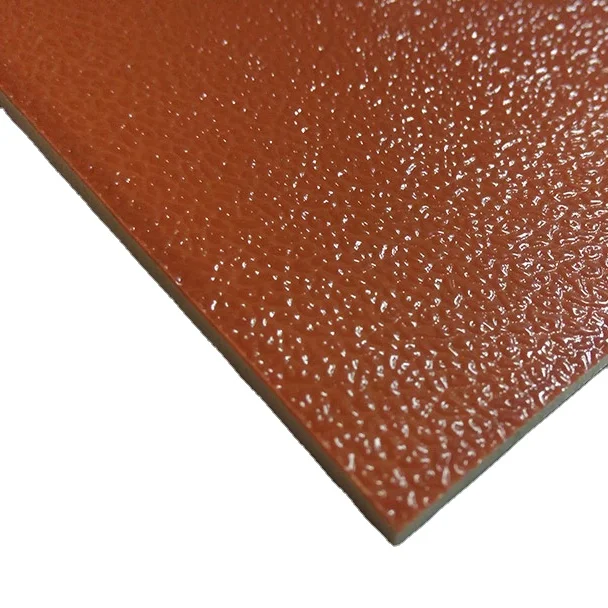
Selecting the right material for your application is crucial, especially when deciding between colored ABS sheets and transparent ABS sheets. This article aims to provide clarity on how to choose between these two options, addressing key specifications, applications, and considerations that purchasing managers and product managers in the manufacturing and industrial sectors should keep in mind. We will also highlight how various factors influence the decision-making process, ensuring you have all the relevant information at your fingertips about waterproof abs sheets.
Key Specifications of Colored ABS Sheet vs. Transparent ABS Sheet
When comparing colored ABS sheets to transparent ABS sheets, several specifications come into play that can significantly impact their performance and suitability for specific applications.
Thickness: Both types of sheets are available in various thicknesses, typically ranging from 1mm to 10mm. The thickness affects durability and rigidity; thicker sheets generally provide better impact resistance.
Color and Opacity: Colored ABS sheets come in a variety of colors and finishes, allowing for aesthetic customization. In contrast, transparent ABS sheets are clear, providing visibility and the ability to showcase underlying components or graphics.
Surface Finish: The surface finish can vary from matte to glossy. A glossy finish may enhance the visual appeal of colored sheets, while transparent sheets often have a smooth finish that highlights clarity.
UV Resistance: Colored ABS sheets often have added UV stabilizers to prevent fading, making them suitable for outdoor applications. Transparent sheets may require specific treatments for UV resistance depending on their intended use.
Chemical Resistance: Both types of ABS sheets display good resistance to various chemicals, but the specific formulation may vary. Understanding the chemical exposure expected in your application is vital before making a decision.
What to Look for in ABS Sheets?
When sourcing ABS sheets, there are several critical factors to consider to ensure you select the right product.
Material Quality: Ensure that the ABS sheets meet industry standards for quality and consistency. Look for suppliers who provide detailed specifications and quality control processes.
Customization Options: Different applications may require specific dimensions, colors, or finishes. A reputable manufacturer like Changzhou Sunplas Co., Ltd. can offer customization to meet unique project requirements.
Certifications and Compliance: Verify if the ABS sheets comply with relevant industry standards or certifications (like ISO). This can be critical for applications in regulated industries such as automotive or food packaging.
Supplier Reputation: Choose a supplier with a strong track record in the industry. Companies that work with multinational clients, like Samsung and LG, often have established quality systems and reliable delivery timelines.
Pricing and MOQ: Understand the pricing structure and minimum order quantities (MOQ). Depending on your project size, you may want to negotiate bulk pricing or explore options for smaller batches.
Comparing Colored and Transparent ABS Sheets
When considering colored versus transparent ABS sheets, it’s essential to evaluate the applications in which each type excels:
Colored ABS Sheets: Ideal for aesthetic applications where color is important, such as signage, vehicle interiors, and appliances. They offer design versatility and can be used to create visually appealing products without additional coatings.
Transparent ABS Sheets: Best suited for applications requiring visibility, such as protective covers, display cases, and light fixtures. They can also be printed on or used in conjunction with lighting elements, allowing for creative design possibilities.
Durability Considerations: While both types of sheets are durable, the specific formulation may affect their longevity in different environments. Colored ABS plastic sheet may show scratches more readily than transparent sheets, depending on the finish.
Application Environment: If your application will be exposed to outdoor elements, colored ABS sheets with UV stabilizers might be a better choice. For indoor applications where aesthetics and visibility are key, transparent ABS sheets would be more suitable.
Where to Source Wholesale Colored and Transparent ABS Sheets?
When sourcing ABS sheets, consider the following avenues for obtaining wholesale options:
Direct Manufacturers: Working directly with a manufacturer like Changzhou Sunplas Co., Ltd. can provide advantages such as lower costs, customized solutions, and direct communication regarding specifications and quality.
Distributors: Established distributors often carry a wide range of ABS sheets, including both colored and transparent varieties. They can offer quick shipping and may have additional resources for product selection and support.
Online Marketplaces: B2B marketplaces can provide a platform to compare multiple suppliers, allowing for easier price comparisons and access to customer reviews. However, verifying supplier credibility is essential.
Industry Trade Shows: Attending trade shows can provide firsthand experience with products and the opportunity to meet manufacturers and distributors face-to-face. This can also be an excellent way to gauge new industry trends.
Networking and Referrals: Leverage industry contacts to find trusted suppliers. Recommendations from other businesses can often lead to reliable sources and better pricing due to established relationships.
Installation Guidance for Colored and Transparent ABS Sheets
Proper installation is key to ensuring that both colored and transparent ABS sheets function effectively in their intended applications. Here are essential considerations for installation:
Surface Preparation: Ensure that the surface where the ABS sheet will be installed is clean, dry, and free of any debris. This will enhance adhesion if adhesives are used.
Cutting and Handling: Use appropriate cutting tools to achieve clean edges, especially for transparent sheets where visible edges matter. Handling should be done carefully to avoid scratches or damages.
Temperature Considerations: ABS sheets may expand or contract with temperature changes. Ensure that installation allows for some movement, particularly in environments with significant temperature fluctuations.
Adhesives and Fasteners: Select the right adhesive or fasteners based on the sheet type and application. Some adhesives may not be suitable for colored sheets due to potential discoloration.
Testing and Adjustments: After installation, conduct tests to confirm that the sheets meet your performance expectations. This is crucial, especially for applications where visibility and durability are essential.
By understanding these aspects, you can make more informed decisions when choosing between colored and transparent ABS sheets, ensuring that your polycarbonate ABS sheet selection aligns with your application requirements and quality expectations.