
 EN
EN


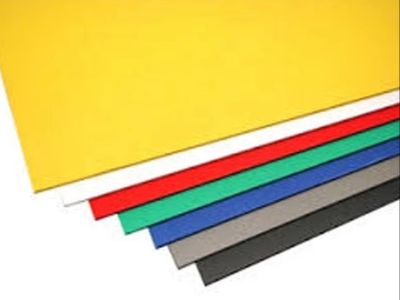
ABS white plastic sheets are versatile materials commonly used across various industries, including automotive, appliances, construction, and advertising. As a B2B buyer, understanding their applications and the customization options available is crucial for making informed purchasing decisions. This article will guide you through wholesale purchasing, key specifications, installation tips, troubleshooting common issues, and locating reliable suppliers of ABS plastic sheet.
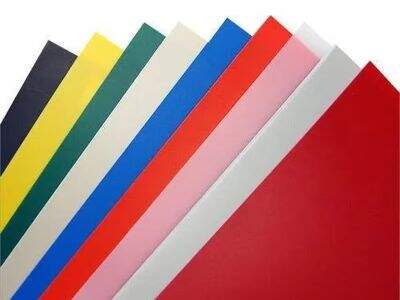
Wholesale Purchasing Guide for ABS White Plastic Sheets
When considering wholesale purchases of ABS white plastic sheets, buyers should evaluate several factors to ensure they meet their specific needs. Start by determining the required dimensions, thickness, and quantity. Most manufacturers, including Changzhou Sunplas Co., Ltd., have minimum order quantities (MOQs) that can vary based on customization and production capabilities.
Inquire about the manufacturer's production capacity and lead times, especially if you require large quantities for a project. It's essential to communicate your application needs clearly, whether it's for vehicle components, appliance housings, or signage. Providing detailed specifications can help suppliers quote accurately and avoid delays. Additionally, consider discussing potential customization options, such as color variations or surface finishes, to improve compatibility with your intended use.
Key Specifications of ABS White Plastic Sheets You Should Know
Understanding the specifications of ABS white plastic sheets is vital for ensuring they will perform effectively in your application. Key specifications to consider include:
Thickness: Common thicknesses range from 1mm to 10mm, impacting durability and suitability for various applications. Thicker sheets provide more strength, but they may be heavier and less flexible.
Dimensions: Standard sheet sizes typically range from 1220mm x 2440mm, but custom sizes can be produced. Ensure the dimensions align with your project requirements to minimize waste and cutting costs.
Material Properties: ABS (Acrylonitrile Butadiene Styrene) is known for its excellent impact resistance and ability to withstand temperature fluctuations. Understanding these properties helps buyers select the right sheet for environments that may experience stress or temperature changes.
Surface Finish: The finish of the sheet can affect aesthetic appeal and functionality. Options may include matte, glossy, or textured surfaces, which can enhance the product's appearance or grip.
Compliance: Depending on your industry, ensure that the sheets meet relevant safety and quality standards. Always verify any certifications with the supplier.
Installation Tips for ABS White Plastic Sheets in Various Applications
Proper installation is critical to maximizing the performance of ABS white plastic sheets. Here are some practical tips:
Preparation: Ensure the installation area is clean and free of debris. This will help create a stable base and prevent adhesive failure if using glue.
Cutting: Use appropriate cutting tools, such as a fine-toothed saw or CNC machine, to achieve clean edges. Always wear safety gear to protect against plastic shavings.
Joining Methods: Depending on the application, ABS sheets can be joined using adhesives, mechanical fasteners, or welding techniques. When using adhesives, select those specifically designed for plastic materials to ensure a strong bond.
Temperature Considerations: ABS can expand and contract with temperature changes. Allow for expansion gaps when installing sheets in large areas to avoid warping or buckling.
Finishing Touches: If the sheets will be painted or coated, ensure the surface is prepped according to the coating manufacturer's guidelines to ensure proper adhesion.
Troubleshooting Common Problems with ABS White Plastic Sheets
Even high-quality ABS white plastic sheets can encounter issues during use. Here are common problems and their solutions:
Warping: Warping can occur due to heat exposure or improper installation. Ensure sheets are stored flat in a controlled environment and allow for proper ventilation during installation.
Cracking: If cracks appear, it may be due to excessive stress or impact. Evaluate the load being placed on the sheets and consider reinforcing them or selecting a thicker variant.
Discoloration: Prolonged exposure to UV light can cause discoloration. For outdoor applications, consider using UV-resistant coatings or selecting sheets specifically designed for outdoor use.
Adhesive Failure: If adhesive bonds fail, check for compatibility between the adhesive and the ABS material. Ensure surfaces are clean and properly prepared before application.
Surface Scratches: To minimize scratches, handle sheets carefully during installation and storage. If scratches occur, consider using a plastic polish to restore clarity.
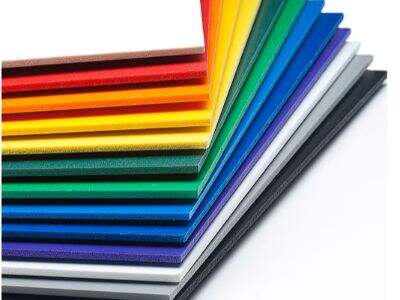
Where to Find Reliable Suppliers of ABS White Plastic Sheets
Finding a reputable supplier is crucial for ensuring product quality and service reliability. Start by researching manufacturers with a proven track record in the industry. Companies like Changzhou Sunplas Co., Ltd. have extensive experience in producing high-quality ABS sheets and serve multinational clients.
Industry Directories: Utilize online industrial directories to find suppliers specializing in ABS sheets. Look for manufacturers with positive reviews and a strong presence in your target market.
Trade Shows: Attend relevant trade shows and exhibitions to connect with suppliers directly. This provides an opportunity to see products firsthand and discuss customization options.
Certifications: Verify that potential suppliers have the necessary certifications for quality management and product safety. This can help ensure you are working with a trustworthy source.
Samples: Before placing a large order, request samples to evaluate the quality and specifications. This step allows you to check for color consistency, thickness, and overall performance.
Customer Support: Assess the level of customer support offered by the supplier. Reliable communication can make a significant difference in the purchasing experience, especially when addressing specific customization needs.
By understanding the key aspects of ABS white HIPS Plastic Sheet, you can make informed purchasing decisions that meet your project requirements and ensure the longevity and effectiveness of your applications.
Table of Contents
- Wholesale Purchasing Guide for ABS White Plastic Sheets
- Key Specifications of ABS White Plastic Sheets You Should Know
- Installation Tips for ABS White Plastic Sheets in Various Applications
- Troubleshooting Common Problems with ABS White Plastic Sheets
- Where to Find Reliable Suppliers of ABS White Plastic Sheets